
Target Markets
This weeks blog post will be on the topic of target markets and how companies define their audience.
Firstly, when a company looks for what their target market should be they undergo a process called audience research, this method allows businesses to understand they most lucrative customers. an example of one of theses methods of audience research would be gathering data from customers and looking into main factors about each customers such as age, location, interests, etc.
- Age: You don’t need to get too specific here. It won’t likely make a difference whether your average customer is 24 or 27. But knowing which decade of life your customers are in, or their generation, can be very useful.
- Location (and time zone): Where in the world do your existing customers live? In addition to understanding which geographic areas to target, this helps you figure out what hours are most important for your customer service and sales reps to be online, and when you should schedule your social ads and posts to ensure best visibility.
- Language: Don’t assume your customers speak the same language you do. And don’t assume they speak the dominant language of their (or your) current physical location.
- Spending power and patterns: How much money do your current customers have to spend? How do they approach purchases in your price category? Do they have specific financial concerns or preferences you need to address?
- Interests: What do your customers like to do, besides using your products or services? What TV shows do they watch? What other businesses do they interact with?
- Stage of life: Are your customers likely to be college students? New parents? Parents of teens? Retirees?

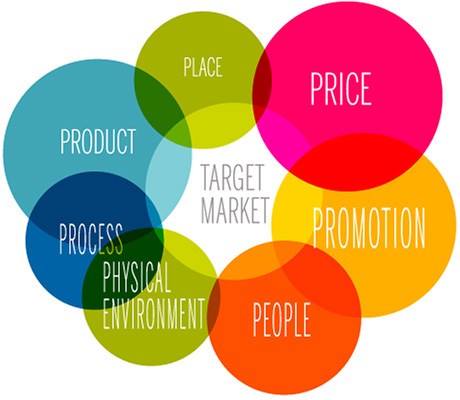
Furthermore, the benefit of businesses knowing about their customers is so that they can fully take advantage of the most effective ways of promoting their products to them which therefore would creative maximum profit for the company in question.


 Marketing Blog