Categories
Uncategorized

Blog Post I

BEHAVIOURAL ANALYSIS OF TARGET GROUPS

“Generation Z has an attention span of 8 seconds.”
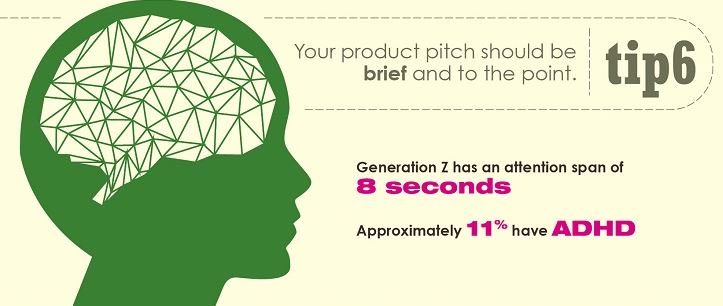
I feel as though this statistic is overly exaggerated as I believe there are only a small percentage of people who have a low attention span and this is not exclusive to people who are not ‘generation z’. However, despite being a millennial I can relate to this statistic as I have a low attention spam and tend to doze off in situations where I should be concentrating.

Furthermore, due to statistics like this I’ve noticed that a lot of businesses are promoting their brands and products through quick ads that fit within this 8 second format. For example, on social media apps like Instagram and Snapchat they almost exclusively have 5 to 8 second ads with very few words so its consumers don’t spend too much time reading what they have to say. The reason why these social media companies choose this format is because their prime audience would lose interest in promotions containing more words and an overall longer process which would result in fewer interactions from new customers.

It is clear that modern social media marketing are aware of the nature of ‘generation z’ and know how to effectively market their goods to the population of people born between 2001 and to the present day.

Categories
Uncategorized

Blog Post IV

Target Markets

This weeks blog post will be on the topic of target markets and how companies define their audience.

Firstly, when a company looks for what their target market should be they undergo a process called audience research, this method allows businesses to understand they most lucrative customers. an example of one of theses methods of audience research would be gathering data from customers and looking into main factors about each customers such as age, location, interests, etc.

  • Age: You don’t need to get too specific here. It won’t likely make a difference whether your average customer is 24 or 27. But knowing which decade of life your customers are in, or their generation, can be very useful. 
  • Location (and time zone): Where in the world do your existing customers live? In addition to understanding which geographic areas to target, this helps you figure out what hours are most important for your customer service and sales reps to be online, and when you should schedule your social ads and posts to ensure best visibility.
  • Language: Don’t assume your customers speak the same language you do. And don’t assume they speak the dominant language of their (or your) current physical location.
  • Spending power and patterns: How much money do your current customers have to spend? How do they approach purchases in your price category? Do they have specific financial concerns or preferences you need to address?
  • Interests: What do your customers like to do, besides using your products or services? What TV shows do they watch? What other businesses do they interact with?
  • Stage of life: Are your customers likely to be college students? New parents? Parents of teens? Retirees?

Furthermore, the benefit of businesses knowing about their customers is so that they can fully take advantage of the most effective ways of promoting their products to them which therefore would creative maximum profit for the company in question.

Categories
Uncategorized

Blog Post III

Buying & Decision Making Process

This week’s blog will be on the topic of buying and decision making. Furthermore, this blog will go through the 6 stage process that everyone takes when buying a new product. Below is one of the processes that I went through when purchasing a new smart phone.

iPhone on the left & Google Pixel on the right.

1. Problem & need recognition

For my example of the decision making process I noticed that my old iPhone 6 was starting to slow down and its battery would drain far too quickly, it was this that made me notice that I needed a new phone.

2. Research

I have stuck with Apple since the iPhone 3 as they are very popular smart phones. However, through my research I had been intrigued by what Google were doing with their new Android phones known as the Google Pixel. This phone (at the time) was on its 3rd version called the Google Pixel 3 which is far more affordable then the latest iPhone

3. Evaluation of alternatives

Through my evaluation of the alternatives (Apple’s latest iPhone vs Google Pixel 3) the main factors of which was the major difference in price, Apple’s iPhone X being £899 or the Google Pixel 3a being only £399. Additionally, I had already owed a variety of Google products; Google Home, Gmail, Chrome-cast, etc.

4. Final decision

I decided to purchase the Google Pixel 3a as the smart phone was incredibly affordable and seemed to match my preferences perfectly. Also, this would mean I’d have a variety of Google products and therefore be part of that ecosystem and brand consistency.

5. Purchase

For the purchase I went to a Carphone Warehouse so I could purchase the phone with no contract and a 1 month money back guarantee as switching from Apple to Android is a big change and could have a technical risk. Additionally, I didn’t want a contract as I recently switched my sim card from giffgaff to VOXI.

6. Post-purchase evaluation.

6 months later and I am very happy with my purchase, the phone has had no problems and has excelled where my older iPhone would have the odd issue with.

Categories
Uncategorized

Blog Post II

THE MARKETING MIX

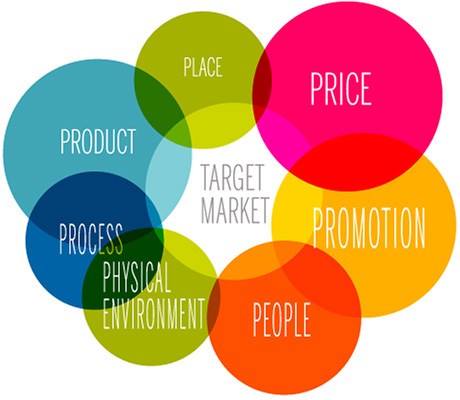
The Marketing Mix, otherwise known as the 4Ps or the 7Ps is a model followed by businesses and their marketing departments with the sole intention of marketing products or services through their 4 to 7 key factors (Price, Product(s), Placement, Promotion, Processes, People & Physical Evidence). This framework for marketing decision-making was first conceived in 1960 by Jerome McCarthy.

Despite the world constantly developing, especially with modern advertising, I believe this method of marketing products and services still stands the test of time as I believe it still delivers with addressing all the important factors when effectively maximising the success of a companies marketing departments.

All product examples from older products like; books, DVDs & CDs to newer devices such as; smart phones & computers all work with this technique as all avenues of promotion are addressed.

Design a site like this with WordPress.com
Get started